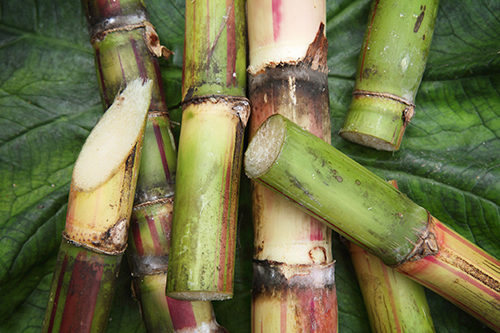
A new type of artificial saliva, delivered as a mouthwash and made using a lab-modified sugarcane protein called CANECPI-5, could help protect the teeth of patients with head and neck cancer. These patients often undergo radiotherapy near the mouth, which can damage salivary glands and reduce saliva production. Because saliva plays a key role in controlling bacteria and maintaining oral health, its loss can lead to serious dental problems.
Researchers at the Bauru School of Dentistry at the University of São Paulo (FOB-USP) in Brazil found that CANECPI-5 creates a protective “shield” over teeth. This layer helps defend enamel from acids found in beverages like juice and alcohol, as well as acids from the stomach.
Study co-ordinator Prof. Marília Afonso Rabelo Buzalaf explained: “This is the first product that uses the concept of acquired pellicle [a thin protective layer that quickly forms on the tooth surface] to treat xerostomia, which is the sensation of a dry mouth caused by a lack of saliva. We use substances that will reformulate the composition of the proteins that bind to the teeth”.
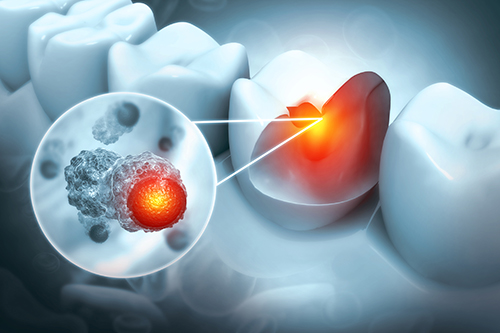
The study showed that CANECPI-5 works best when combined with fluoride and xylitol. In testing, the artificial saliva spray reduced bacterial activity and slowed tooth demineralisation – the process by which teeth lose calcium and phosphate, making them more vulnerable to cavities.
This development is especially important because there is currently no dedicated product available to treat the severe cavities that often occur after radiation therapy for head and neck cancer. The findings were published in the Journal of Dentistry.
From: https://www.sciencedaily.com/releases/2026/04/260403224458.htm.